


Cataracts are a clouding of the natural lens inside the eye.
Most of the time, cataracts develop slowly over the years. You may not even notice you have them until they start to block light from your vision. If you have any concerns about your vision being affected by cataracts, schedule a cataract consultation today with Updegraff Laser Vision, serving patients in St. Petersburg, Tampa, and the surrounding areas.

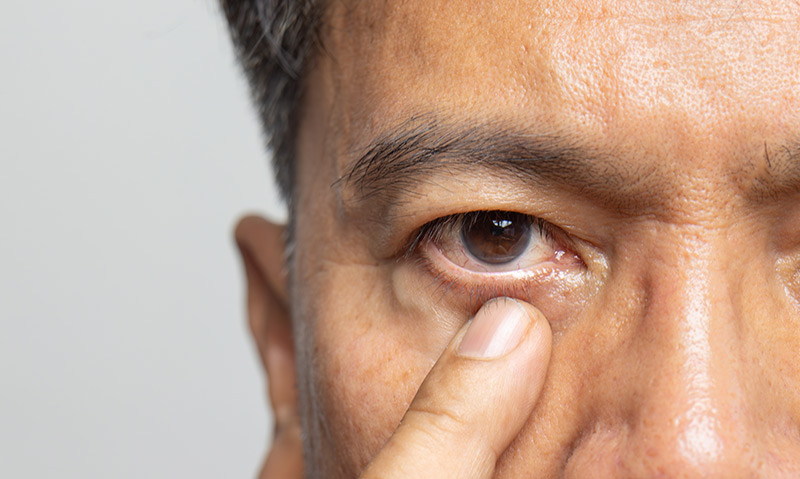
Cataracts are typically part of the natural aging process and can start to develop around the age of 50. However, it isn't uncommon for patients who are under 50 to also develop cataracts, whether it's from an underlying medical condition like diabetes, medication, family history, or at random.
There are factors that have been proven to increase the likelihood of developing cataracts, which include smoking, diabetes, obesity, high blood pressure, and the use of steroid medications.
As always, it is best to consult your eye doctor regularly for signs of cataract development. If you have concerns that you may be developing cataracts, contact us here at Updegraff Laser Vision. Dr. Updegraff and his team of experienced cataract surgeons will diagnose any conditions you have and treat them accordingly.
Cataracts can create symptoms including:
Click on the symptoms below to see a visualization.






Cataract surgery involves removing the cloudy natural lens and replacing it with a clear lens implant. To do this, the cataract surgeon will first create a microscopic opening in the cellophane-like bag that holds the natural lens in place. The surgeon will break up the cataract using a machine that generates ultrasonic waves, and remove it through a tiny incision in the cornea.
Once the cataract has been removed, your cataract surgeon will fold up the replacement lens – called a lens implant – and use a tube to place it in the front of the eye. The new lens then opens like a flower in the position where your natural lens previously rested.
If you think you might need cataract surgery, the first step is to have a comprehensive eye examination. Your doctor will be able to determine if a cataract is the cause of your decreased vision. If it is, and if it is inhibiting your quality of life and your daily activities, then our surgeons can help you determine which cataract surgery option is best for your eyes and lifestyle.

Updegraff Laser Vision is delighted to provide laser-guided cataract surgery using Alcon’s LenSx® laser. This revolutionary laser takes cataract surgery to new levels with its unparalleled precision and customization. The innovative technology integrates computer control into crucial steps of the procedure, offering cataract patients the most cutting-edge surgical option available.

No-stitch cataract surgery allows for quick recovery with minimal discomfort and enhanced vision without the need for stitches. By creating a small incision at the edge of the cornea, our cataract surgeons can remove the cataract and insert the IOL without the use of sutures. The area will naturally heal and seal, reducing discomfort and irritation that can sometimes be caused by stitches.
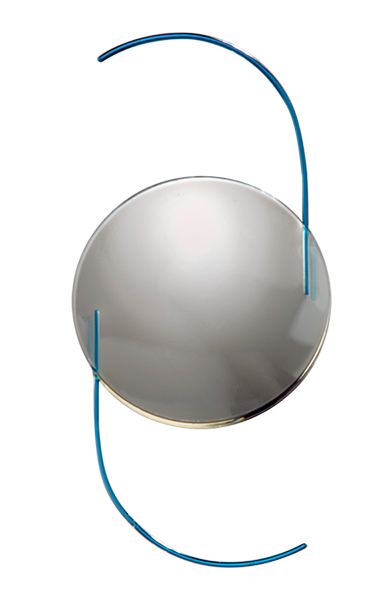

About three weeks after your cataract surgery, you’ll visit your doctor’s office to begin the light treatments to customize your vision. During these visits, you and your doctor work together to achieve the best possible visual outcome—the vision that’s best for you and your lifestyle.
Studies have shown that patients who received the Light Adjustable Lens and the recommended post-surgery treatments were almost twice as likely to achieve 20/20 vision or better without glasses compared to cataract patients who have standard lens implants.
While your vision is still in the adjustment phase, you will be required to wear glasses that prevent UV light from altering your lens to protect it before the final lock-in.
Most patients have two choices when it comes to lens implants: standard lens implants or high-tech lens implants. Your cataract surgeon will make a recommendation based on your vision goals and the current anatomy and health of your eyes. However, ultimately, the decision will be up to you. Some of the advanced IOL options we offer include:

In most cases, we schedule cataract surgery for each eye 1-2 weeks apart, assuming both eyes need surgery. However, in some situations, bilateral cataract surgery is necessary and scheduled.
You will usually be at the surgery center for about 2 hours, but on average the surgery only takes about 15 minutes.
In most cases, general anesthesia (put to sleep) is not necessary to perform cataract surgery. Our anesthesia team will provide some light sedation to help you relax. Numbing drops ensure you will not have any pain. For the short procedure, you will be awake and likely will not remember the surgery.
No. Eye drops are used to numb the eye and patients often see a spectrum of colored lights.
Many will feel comfortable driving, but there are also many who may have an imbalance between their eyes after their first surgery. Those who have an imbalance and reduced depth perception are encouraged to limit driving during the week between surgeries. In addition, caution should be taken while walking up and down stairs and curbs after the first eye if the depth perception is initially reduced.
The most important thing is not to rub your eye. You will need to wear a clear, plastic shield at night for the first week to help protect the eye. Although the risk of infection is rare, we also ask you to avoid swimming in pools and hot tubs for the first two weeks.


